
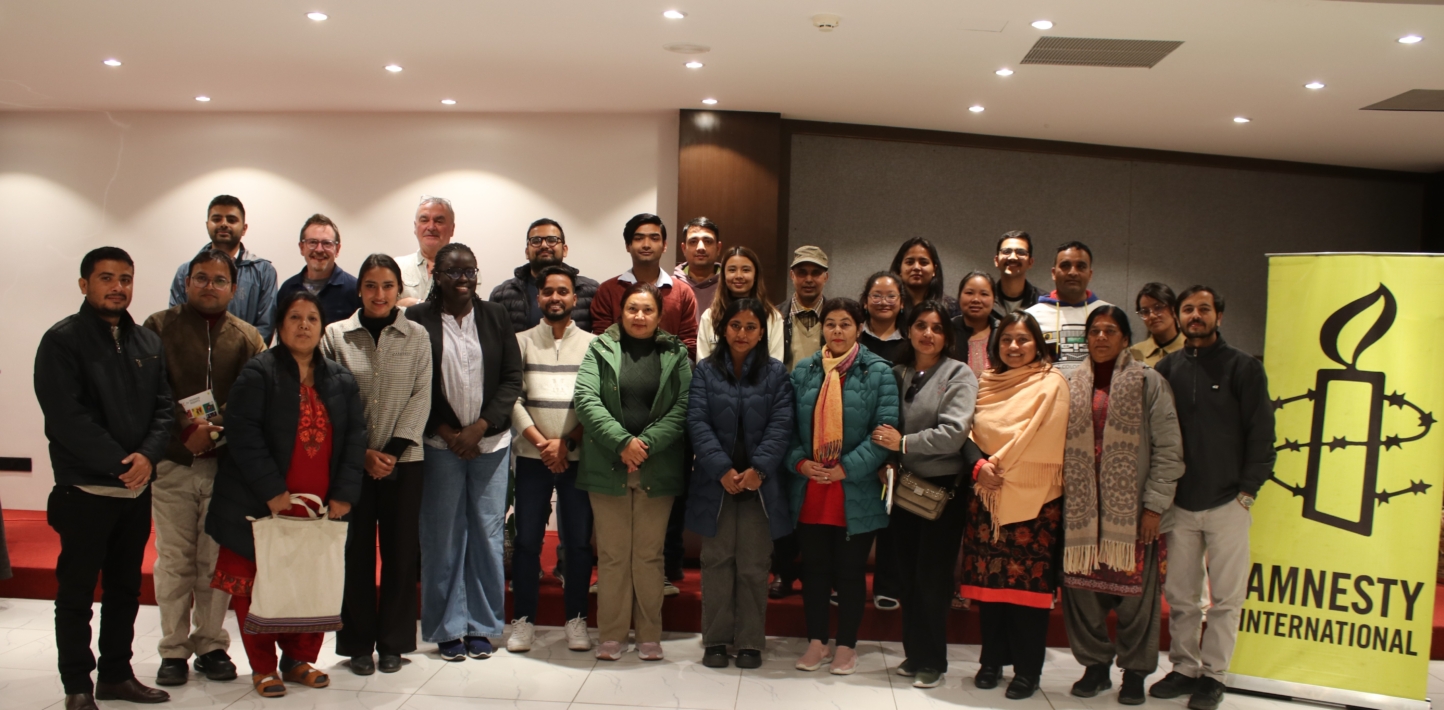
Amnesty International Nepal conducted a two-day Protest Observation Training on December 5–6, in Kathmandu, bringing together AI Nepal staff, members, and representatives from partner civil society organisations.
This training was a continuation of Amnesty International’s global Protest Observation training program where Amnesty International trains representatives who will be deployed to observe protests and rallies. The task of a protest observer is to objectively and impartially observe, document, and report back on incidents that may occur which infringe on the freedom of association and peaceful assembly. The larger aim of the program is to confront the unprecedented worldwide threats to the right to protest and to ensure that authorities respect, protect, and promote people’s right to freedom of peaceful assembly in line with international human rights standards.
The workshop followed earlier collaborative efforts between Amnesty International Nepal and the South Asia Regional Office, including a three-day protest observers’ training organised in Dhulikhel, Kavre, from 27–29 December 2023. This was followed by a pre-deployment training to 34 Amnesty International Nepal members in Bhaktapur on 16-17 August 2024. Together, these initiatives reflect Amnesty International Nepal’s broader strategy to strengthen safe, effective, and rights-based observations of protests that may take place in Nepal.
The training was facilitated by Beryl Orao and Michael Hamilton, Legal Advisors at the Amnesty International Secretariat; Neil Jarman, Consultant; and Kundan Raj Sharma, Human Rights Education Coordinator at Amnesty International Nepal.
One of the first sessions explored a foundational question: Who is a protest observer? While anyone at a protest may technically “observe,” participants discussed the neutrality, preparedness, and ethical obligations required of a trained observer. This helped clarify roles, dispel misconceptions, and reinforce the importance of impartial and consistent documentation.
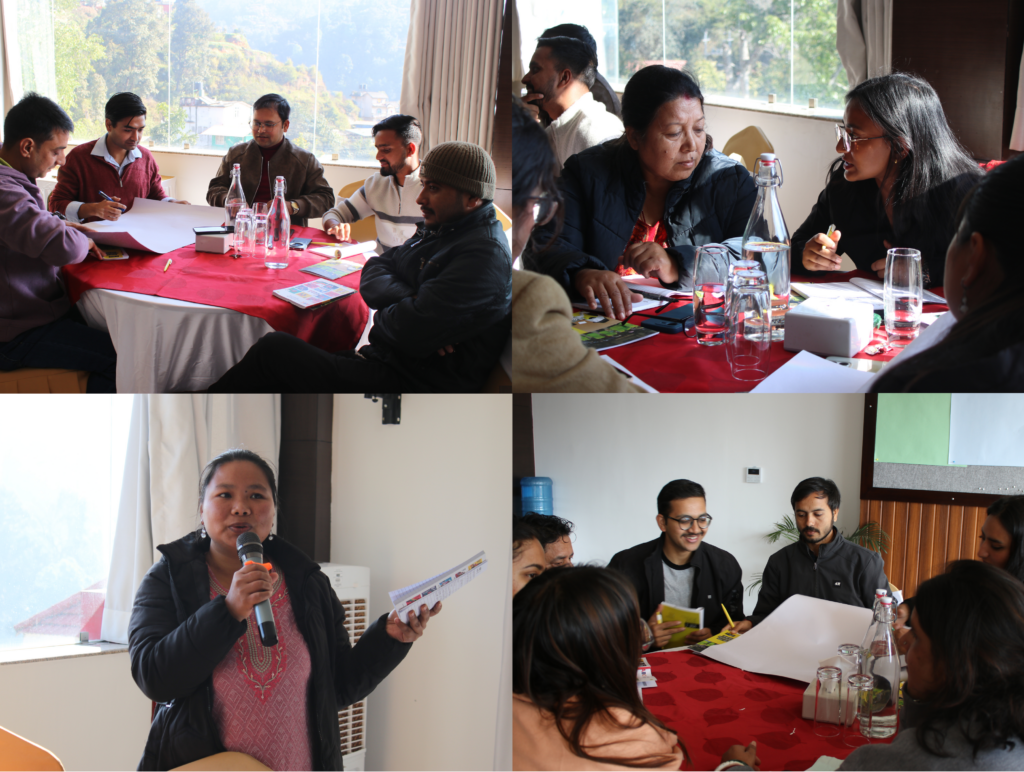
The training was organised into two cohorts: Day 1 for AI Nepal staff, and Day 2 for AI Nepal members and partner CSOs. Both days combined presentations, group work, scenario-based exercises, and plenary discussions. Participants examined the diverse objectives of protest observation—from documenting violations to analysing state behaviour, identifying patterns of repression, and informing long-term advocacy. Groups presented their reflections through chart papers and meta-cards, engaging in discussions on the challenges of deploying members and activists as observers.
The first day focused on how protest observation can lead to meaningful impact, mapping pathways for the Amnesty Nepal Secretariat team—from documentation to advocacy, policy influence, and accountability. Facilitators supported participants in identifying common elements across their proposed strategies.
A key focus throughout the training was the increasing risk faced by observers in Nepal. Participants identified major threats—including violence from protestors or police and unpredictable escalation—and reflected on how these risks have manifested in recent protests. Discussions emphasised the balance between the need for comprehensive monitoring and Amnesty’s duty of care toward observers.
The training also examined collaboration with external CSOs, highlighting comparative practices and strategies for principled, coordinated, and safe engagement.
The second day of the programme focused on integrating new observers from Amnesty Nepal’s partner CSOs, while also providing a substantive refresher for previously trained members. Participants discussed the operational challenges of securing timely and reliable information about protests—particularly in contexts where mobilisation is rapid or decentralised—and explored ways to strengthen coordination and communication with frequently protesting groups.
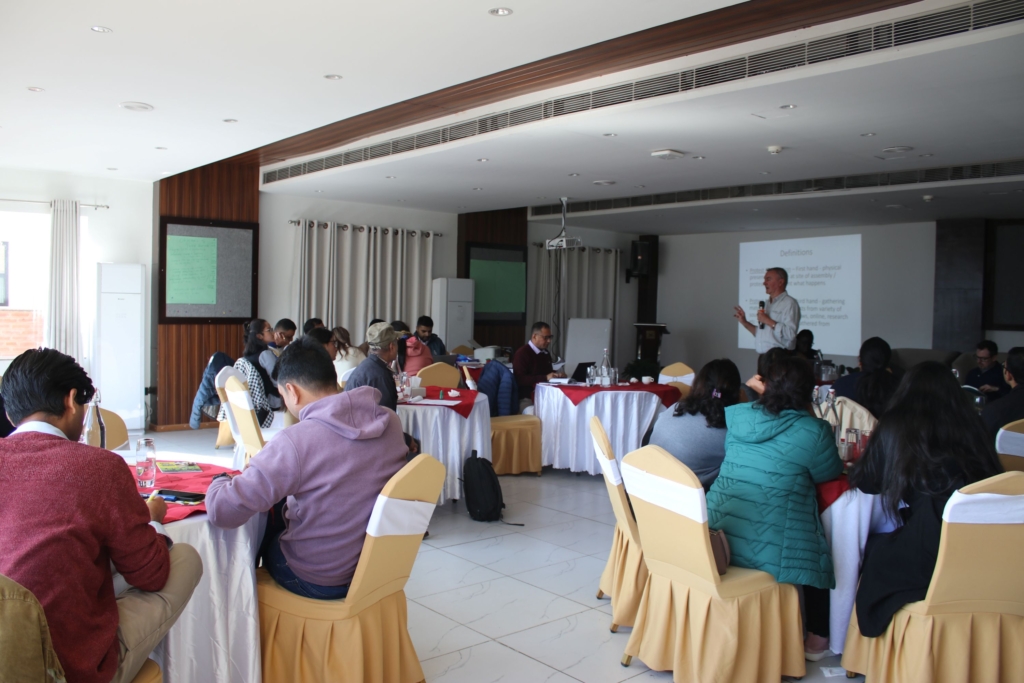
Trainers reviewed Amnesty’s global ethical standards for protest observation, emphasising impartiality, independence, confidentiality, and accuracy. Through guided discussions and scenario-based exercises, participants examined how these principles apply in challenging field situations and why adherence to them is essential for credible and rights-based monitoring.
Sessions also addressed the specific risks facing observers in Nepal, including possible communication barriers, escalating police violence, and hostility from protestors. Facilitators outlined safety protocols such as preparation steps, early arrival strategies, briefing and deployment practices, and how to properly scope the protest environment to ensure safe, effective, and principled observation.
A technical module focused on what to document, how to document impartially, challenges in the field, and the role of social media monitoring. Trainers reinforced Amnesty’s behavioural standards, teamwork expectations, media engagement protocols, and decision-making about intervention. The day ended with guidance on when to exit a protest, safety checks, post-observation debriefing, and reporting back to the AI Nepal team.
In his closing remarks, Amnesty International Nepal Chairperson Bipin Budhathoki underscored the growing urgency of protest observation in Nepal. Reflecting on the programme since its launch in 2023, he noted a “marked shift in how the state responds to protestors,” emphasising increased state violence and shrinking spaces for freedom of expression and assembly. He reminded participants that protest observation is a powerful tool for state accountability and urged them to uphold Amnesty’s standards of impartiality and independence as they continue to strengthen their skills and commitment to safeguarding the right to protest.