
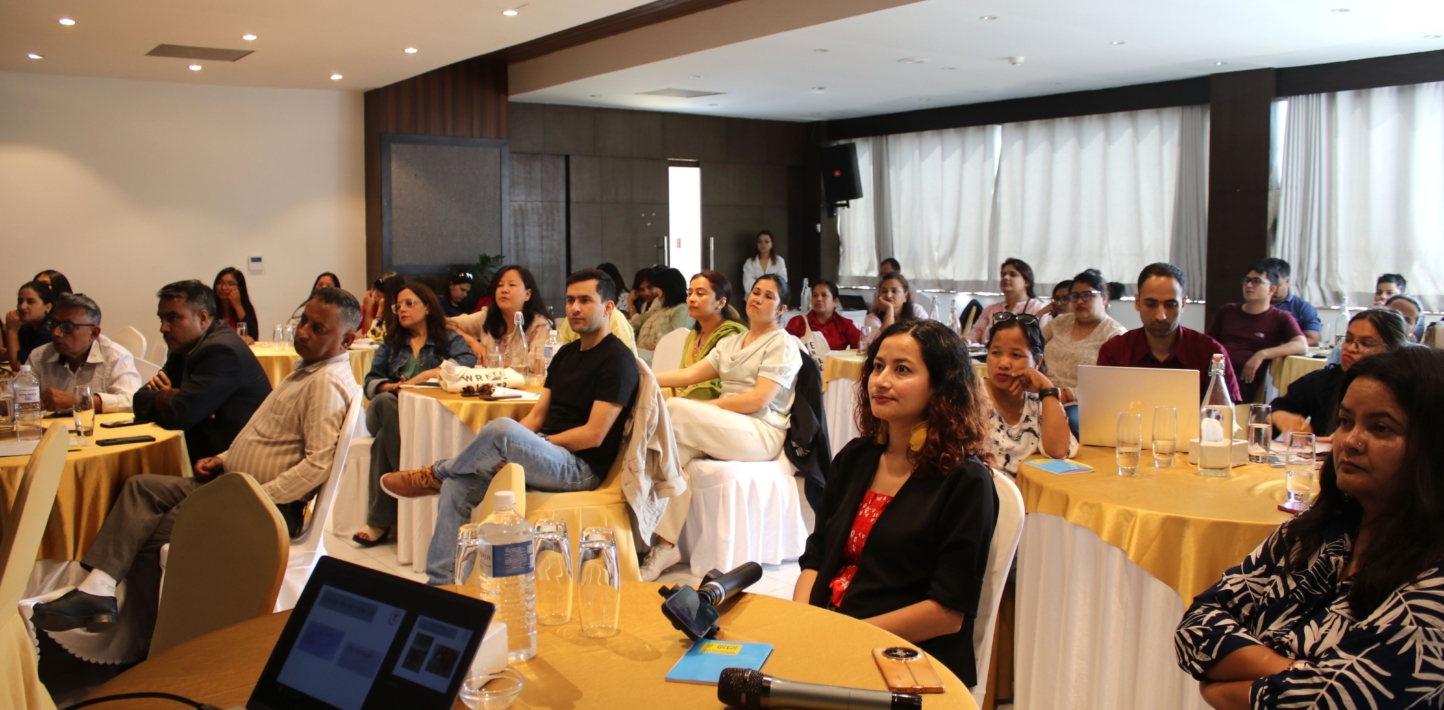
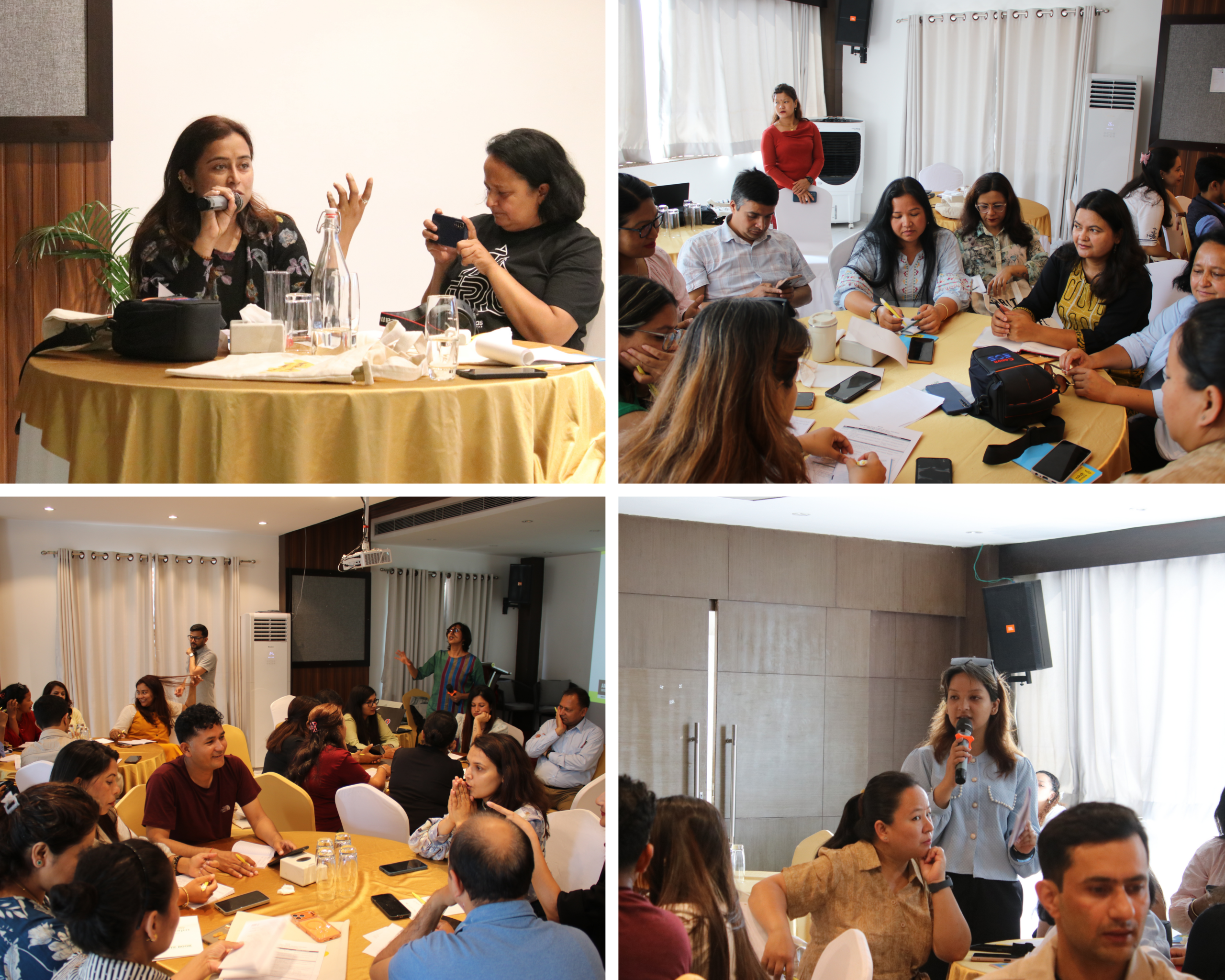
On 22–24 May, over 45 journalists gathered in Kathmandu for a two-day workshop on ethical, sensitive, and human rights-based reporting on cases of human rights violations, abuses and crimes including gender-based violence (GBV). Organized by Amnesty International Nepal in partnership with Sancharika Samuha Nepal, the workshop brought together journalists from different radio, television, print, and digital media platforms from across Nepal to discuss the challenges, responsibilities, and ethical considerations involved in journalistic reporting of various issues including gender-based violence in Nepal.
Opening the programme, Kamala Panthi, Chair of Sancharika Samuha Nepal, emphasized the critical role ethical journalism plays in shaping public understanding of violence, discrimination, and access to justice. She highlighted the need for media professionals to report with sensitivity, accuracy, and accountability, especially when covering survivors and marginalized communities.
Building on these reflections, Nirajan Thapaliya, Amnesty Nepal Director, spoke on Nepal’s broader human rights situation, focusing on gender justice, systemic discrimination, and the shrinking civic space in the country. He also reflected on the foundations and evolution of the international human rights system, discussing key human rights principles enshrined in the United Nations Charter and the Universal Declaration of Human Rights (UDHR).
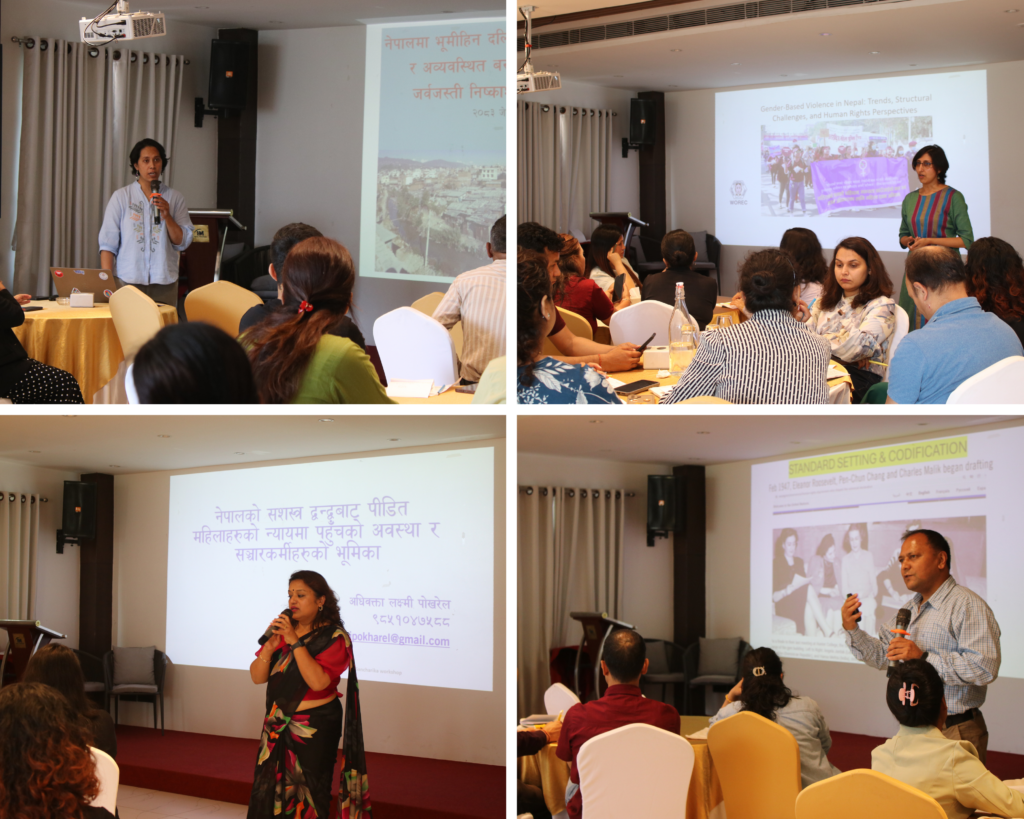
The session also touched on other core international human rights treaties, including the International Convention on the Elimination of All Forms of Racial Discrimination (CERD), the International Covenant on Civil and Political Rights (ICCPR), the International Covenant on Economic, Social and Cultural Rights (ICESCR), and the Convention on the Elimination of All Forms of Discrimination Against Women (CEDAW), among others. Thapaliya highlighted the urgency for Nepal to ratify the remaining international human rights instruments including the International Convention on the Protection of the Rights of All Migrant Workers and Members of Their Families (ICMW), the International Convention for the Protection of All Persons from Enforced Disappearance (CED) and the Rome Statute of the International Criminal Court.
Throughout the workshop, sessions explored a wide range of themes including structural violence, legal protections, trauma-informed journalism, digital rights, online harassment, newsroom ethics, and journalists’ mental health.
Sunita Mainali, Executive Director of Women Rehabilitation Center (WOREC), discussed trends and structural challenges related to gender-based violence in Nepal, highlighting the deep-rooted inequalities and social barriers survivors continue to face. Advocate Laxmi Pokharel examined existing legal frameworks related to gender justice and access-to-justice mechanisms, reflecting on both progress and continuing implementation gaps.
Senior journalist Binod Bhattarai facilitated a session on gender-sensitive reporting, encouraging participants to adopt ethical interviewing techniques, avoid sensationalism, and prioritize survivors’ dignity, safety, and consent in their reporting practices.
A panel discussion moderated by Gen-Z activist Shishir Biswokarma brought together journalists, activists, and public figures to discuss the media’s role in countering gender-based violence, discrimination, online abuse, and barriers to justice. The panel featured Devi Khadka, member of the Constituent Assembly, and advocate for the justice to the survivors of wartime sexual violence; member of the Constituent Assembly Binda Pandey; journalist Kamala Panthi; and Special Editor of Baahrakhari Hari Bahadur Thapa.
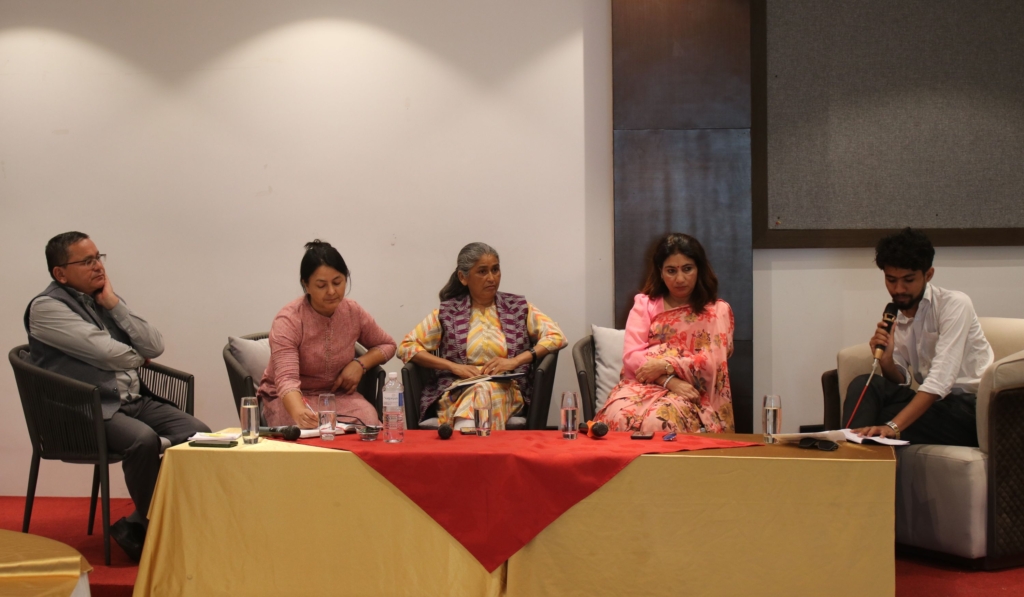
The panel reflected on the media’s responsibility in addressing gender-based violence and helping survivors access justice. Devi Khadka shared her own experience as a survivor of wartime sexual violence, recounting how an insensitive media report had forced her to relive traumatic experiences and impacted her mental wellbeing. Her testimony highlighted the profound human impact irresponsible reporting can have on survivors. Hari Bahadur Thapa and Kamala Panthi noted that while Nepali media still faces significant gaps, there has been gradual progress in incorporating gender-sensitive perspectives within reporting and newsroom practices. Meanwhile, Binda Pandey reflected on the importance of political accountability, inclusive policymaking, and sustained public discourse in addressing systemic gender discrimination and violence.
Discussions also focused on the growing challenges posed by digital media and online violence. Santosh Sigdel, Executive Director of Digital Rights Nepal, delivered an informative session examining the concept of online gender-based violence, its different forms, existing legal provisions, and the role media must play in addressing digital harms in an increasingly online society.
He was joined by digital rights advocate Dikshya Rawat, who spoke about online violence targeting female journalists. The discussion highlighted the severe human toll caused by the technological escalation of digital attacks and emphasized the urgent need for stronger legal protections, institutional responses, and safer online spaces for women journalists and activists.
The workshop also addressed journalists’ wellbeing through a session led by TPO Nepal representative Tara Adhikari on trauma exposure, burnout, field safety, emotional wellbeing, resilience, and digital security. Participants reflected on the often-invisible pressures affecting journalists working in hostile environments, identified signs of burnout and secondary trauma, and discussed practical coping and safety strategies. The session became a valuable space for participants to openly share personal concerns and professional experiences.
A key session focused on the issue of forced eviction, which was delivered by Bhagavati Adhikari, Executive Director of Nepal Mahila Ekata Samaj (NMES). The session examined forced eviction as a serious human rights violation and explored the role media can play in prevention, protection, and accountability.
Particular attention was given to the ongoing eviction drive in Kathmandu, which began on 25 April and has reportedly displaced more than 15,000 people. Drawing on the NMES’ documentation and visits to holding centres, Bhagavati Adhikari highlighted multiple human rights concerns arising from the evictions, including absolute lack of the legal requirement of due process, , absence of meaningful rehabilitation plans, criminalization of poverty, discriminatory attitudes toward landless and “informal settler” people and communities, psychological trauma among children and young adults, disruption of education, loss of livelihoods, and lack of social support systems to people at risk such as women, children, persons with disability, sick, and older people, and growing food insecurity.
The workshop concluded with a panel discussion among editors on media responsibility, impunity, and access to justice. Moderated by journalist Pawan Acharya, the session featured Santosh Acharya, Editor of Farak Dhar; Guna Raj Luitel, immediate former editor of Nagarik Dainik; Poonam Poudel, Editor of Break N Links; and Editor of Baahrakhari Pratik Pradhan.
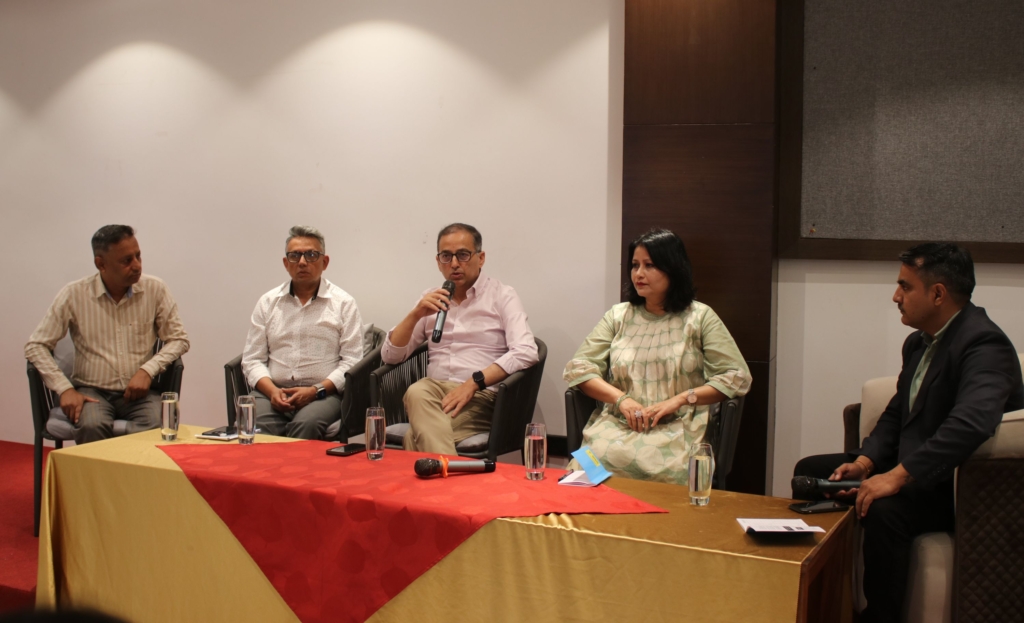
The panel discussed the media’s role in holding the state accountable, addressing gaps in gender-sensitive reporting, navigating Nepal’s rapidly evolving media landscape, and confronting the economic challenges faced by Nepali newsrooms today. A significant portion of the discussion also focused on newsroom responsibilities toward journalists themselves, including staff safety, job security, professional training, and institutional support.
Through interactive sessions, peer learning, and dialogue with experienced journalists, lawyers, activists, and human rights defenders, the workshop created an important platform for media professionals to strengthen ethical, survivor-centered, and human rights-based approaches to reporting on human rights and justice issues in Nepal.