
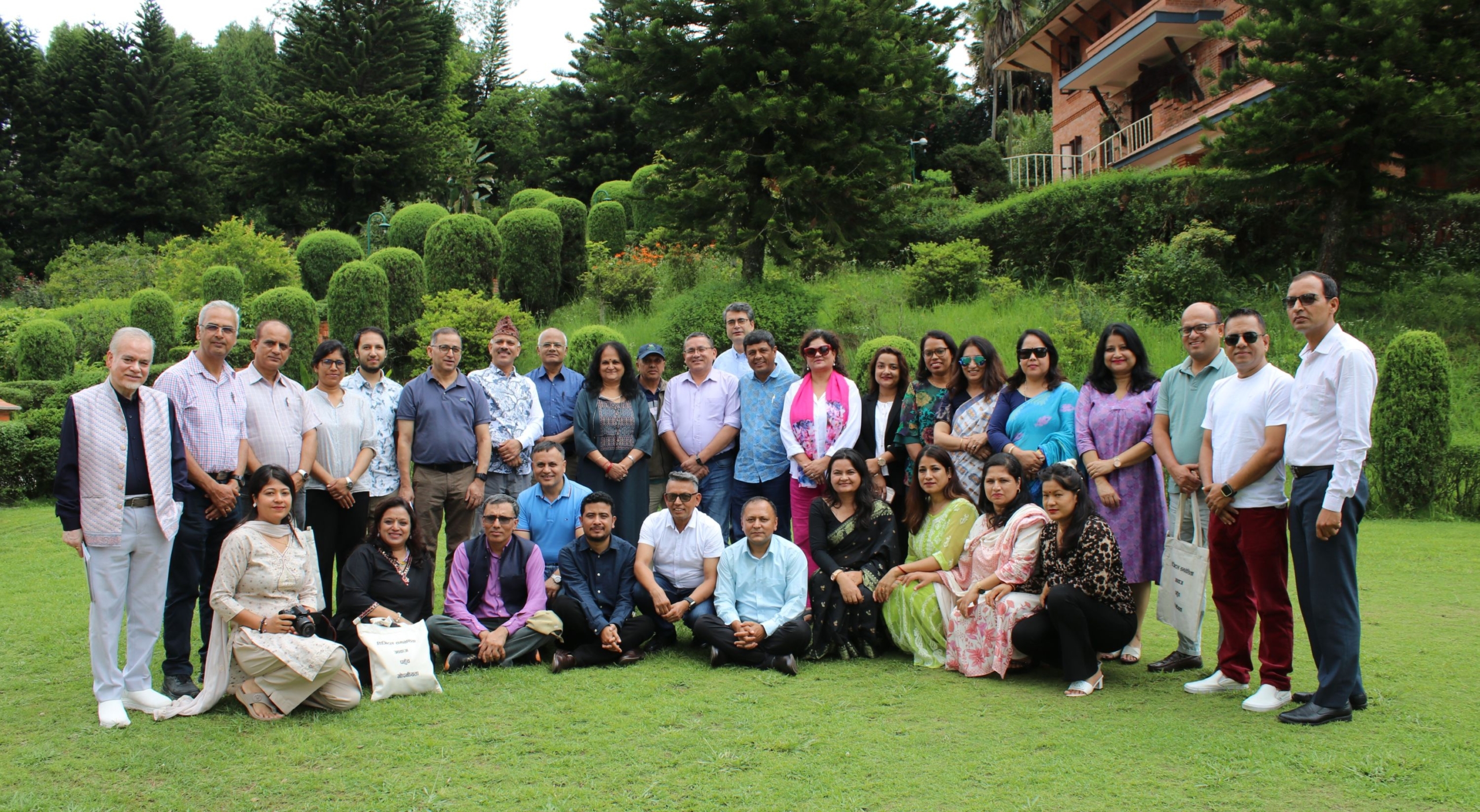
Amnesty International Nepal, Sancharika Samuha Nepal, and Digital Rights Nepal jointly organized a two-day Interaction Program with the Editors on 28 and 29 June 2025, in Lalitpur. The programme was titled “State of Transitional Justice and Freedom of Expression in Nepal: Role of Media to Promote Voice, Inclusivity, Accountability and Justice.”
The event brought together editors and media leaders from Nepal’s leading print, electronic, and online platforms to critically examine Nepal’s transitional justice (TJ) process, civic space, and freedom of expression, with a particular focus on the misuse of the Electronic Transactions Act (ETA), 2008. Although originally intended to regulate e-commerce, the ETA’s vague and overly broad provisions – especially Section 47 – have increasingly been exploited to criminalize peaceful critical expression in online spaces.
Participants also explored the opportunities, challenges, and gaps in these areas with a view to strengthening the capacity of media professionals to report on transitional justice and digital rights in an ethical and rights-respecting manner.
The program began with a welcome and objective-sharing session featuring remarks from Kiran Nepal, Editor of the Centre for Investigative Journalism Nepal, along with Kamala Panthi, President of Sancharika Samuha Nepal, and Nirajan Thapaliya, Director of Amnesty International Nepal.
In his opening remarks, Kiran Nepal welcomed participants to what he described as a “crucial discussion”. He raised concerns about Nepal’s shrinking civic space and the growing tendency toward authoritarian practices. He pointed out that it should not fall only to editors to speak out, and highlighted how even criticism of the press itself often does not surface in media discussions. He suggested that the self-regulatory mechanisms of the media were not working effectively, which was preventing robust commentary and critique. He encouraged participants to reflect on whether they wished to maintain a critical spirit in their own profession.
Kamala Panthi, in her remarks, highlighted that Nepal’s transitional justice process is deeply linked to civic space and freedom of expression. She stressed that when victims are denied justice, it fuels a culture of impunity that weakens democratic values and threatens freedoms. She also connected this to Sancharika Samuha Nepal’s broader work on gender equality and social inclusion (GESI), emphasizing that marginalized groups, particularly women, are most at risk of being silenced in such an environment. Kamala underscored the importance of ensuring these voices are heard and protected in transitional justice efforts.
Nirajan Thapaliya elaborated on related themes, explaining that the prolonged transitional justice stalemate has reinforced impunity, directly undermining civic freedoms. He pointed to the misuse of the Electronic Transactions Act, 2008 – originally designed to regulate e-commerce – whose vague and sweeping provisions have been exploited to criminalize peaceful online expression. As a result, journalists, activists, and ordinary citizens have faced harassment and prosecution, promoting self-censorship and shrinking civic space. He stressed that the lack of accountability for grave crimes has emboldened authorities to misuse such laws to suppress dissent.
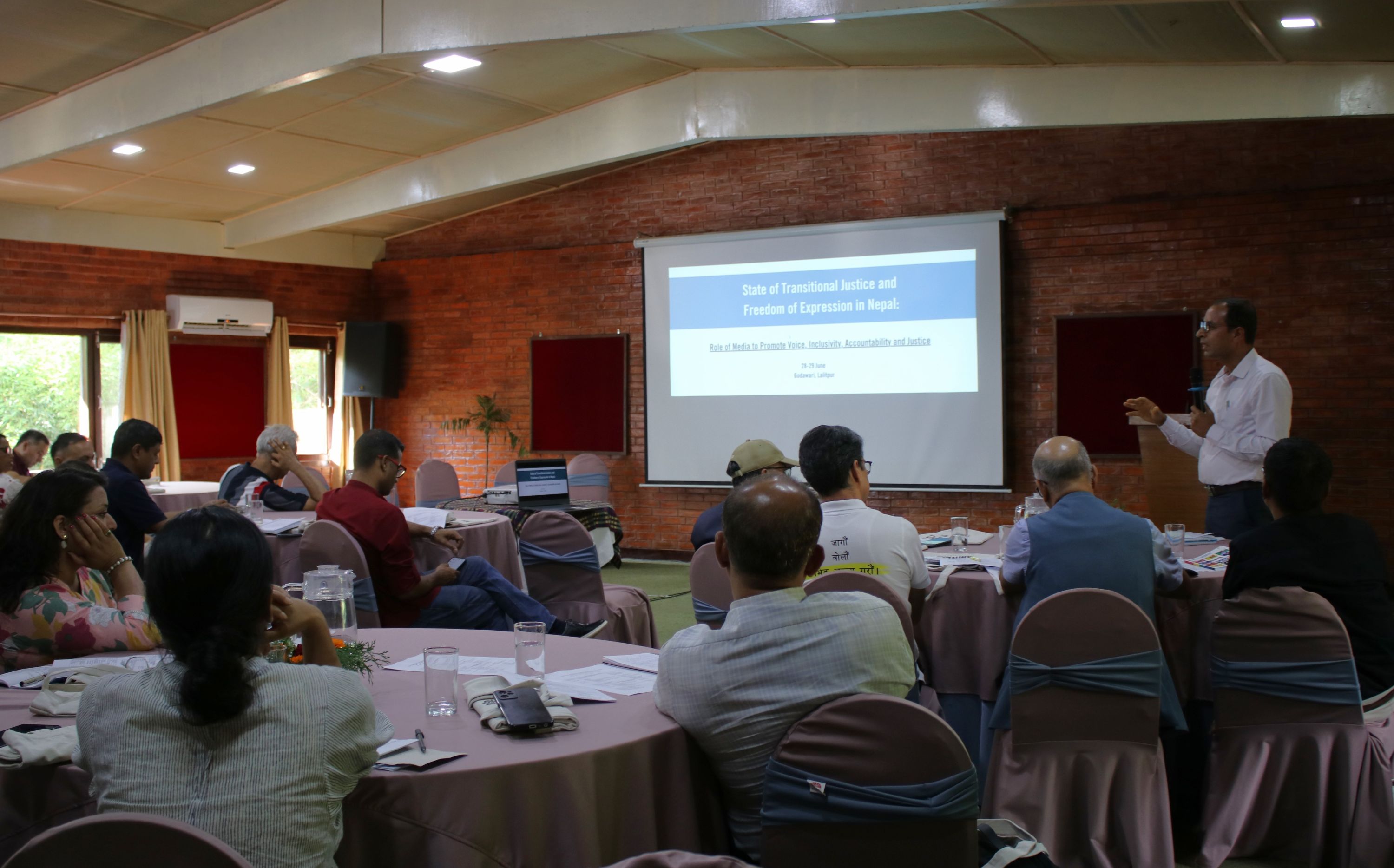
Following these remarks, senior advocate Raju Prasad Chapagai delivered a detailed presentation outlining the current state of the transitional justice process in Nepal, highlighting persistent gaps, concerns, and risks. He discussed emblematic cases and noted that even after decades, justice for these victims remained elusive due to the lack of political will.He also called on the media to play an active role in ensuring transparency, amplifying victims’ voices, and holding political actors accountable. He reminded participants that this was not simply a victims’ issue, but a cycle of impunity affecting all of society, which many were watching passively. If the media and civil society failed to raise their voices, he cautioned, they risked becoming complicit. He urged a multi-pronged approach that included supporting individual cases, raising collective voices, and engaging the international community to sustain pressure for justice.
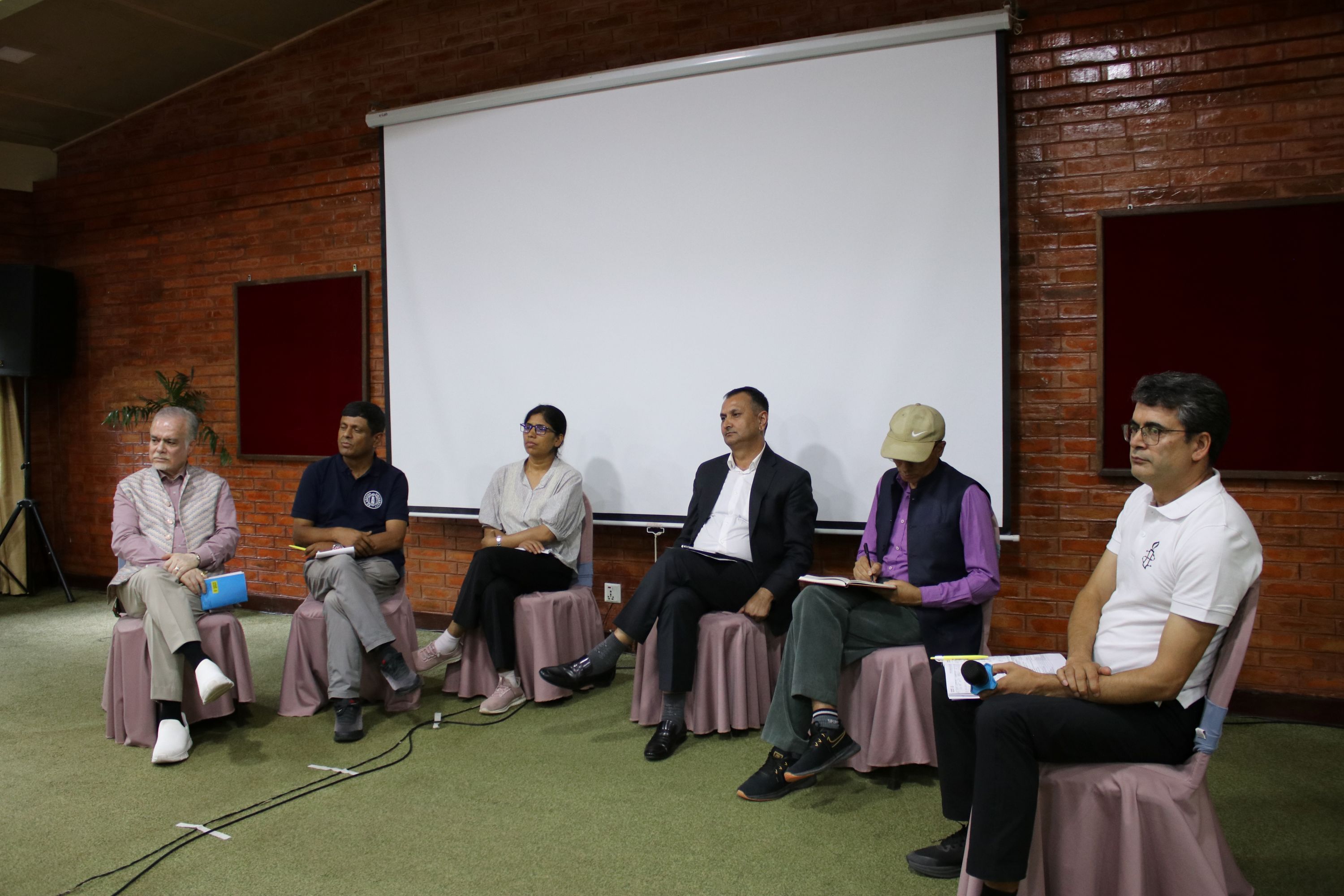
The presentation was followed by a panel discussion titled “Current State of Transitional Justice in Nepal: Why Victims and CSOs Have Refused to Accept the Current Process?” The panelists included Sushila Chaudhari, lawyer and conflict victim; Dr. Ram Bhandari, conflict victim and activist; Suman Adhikari, conflict victim and activist; Charan Prasai, senior human rights activist; and Dr. Mahendra Bista, journalist and former Chairperson of the Federation of Nepali Journalists (FNJ). The discussion was moderated by Rajan Kuikel, journalist and Vice Coordinator of Accountability Watch Committee.
The Panelists expressed their frustration with what they called a “politically caputured transitional justice process” that lacked victim-centered approach including victims’ meaningful participation, owenership and by-in thus failing to meet international human rights standards. They raised concerns about persistent political interference and voiced distrust toward the newly appointed members of the two transitional justice commissions, questioning their ability to conduct credible investigations. The panelists also emphasized the vital role of the media in amplifying victims’ voices and driving the fight for accountability.
During the open floor discussion, participants further examined the state of play on the transitional justice bodies and considered how the issue of justice, and in particular, the issue of transitional justice, has failed to be in the centre stage and how more robust media narratives could challenge the entrenched power structures that impede and obstrcut victims’ quest for truth and justice.
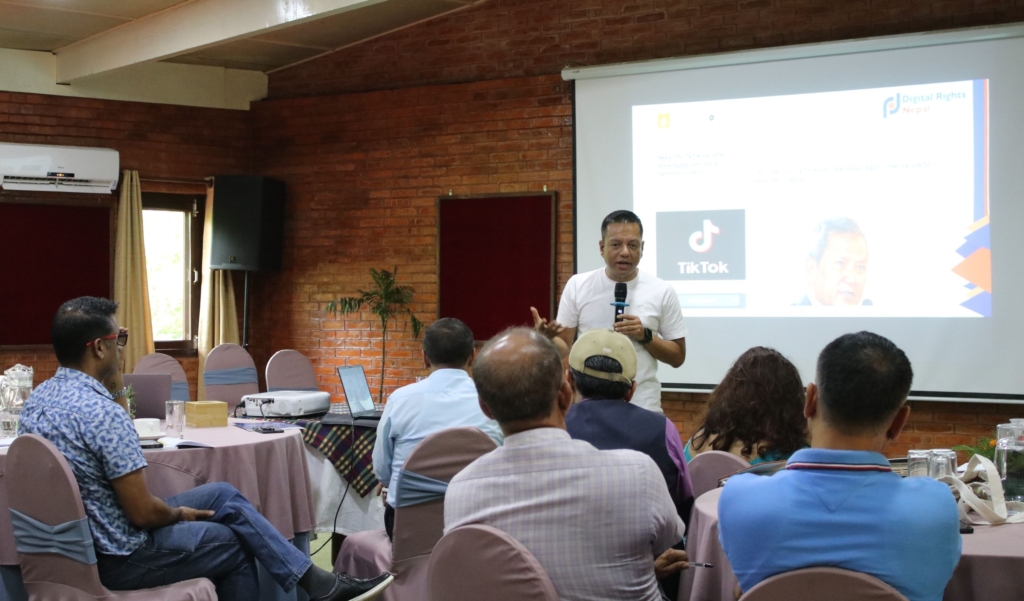
On the second day, Santosh Sigdel, director of Digital Rights Nepal, presented on “Digital Rights, Civic Space, and Freedom of Expression in Nepal,” addressing both existing and proposed legislation, including the Media Council Bill, the Social Media Bill, and the Information Technology and Cybersecurity Bill. He warned that vague and overly broad provisions within these bills risk further shrinking civic space, restricting online expression, and increasing state surveillance. Santosh also highlighted the rising number of legal cases targeting media outlets and journalists, as well as the use of Strategic Lawsuits Against Public Participation (SLAPPs) to intimidate journalists and human rights defenders. He emphasized that laws originally intended to promote governance and accountability are increasingly being weaponized to silence dissent and punish criticism.
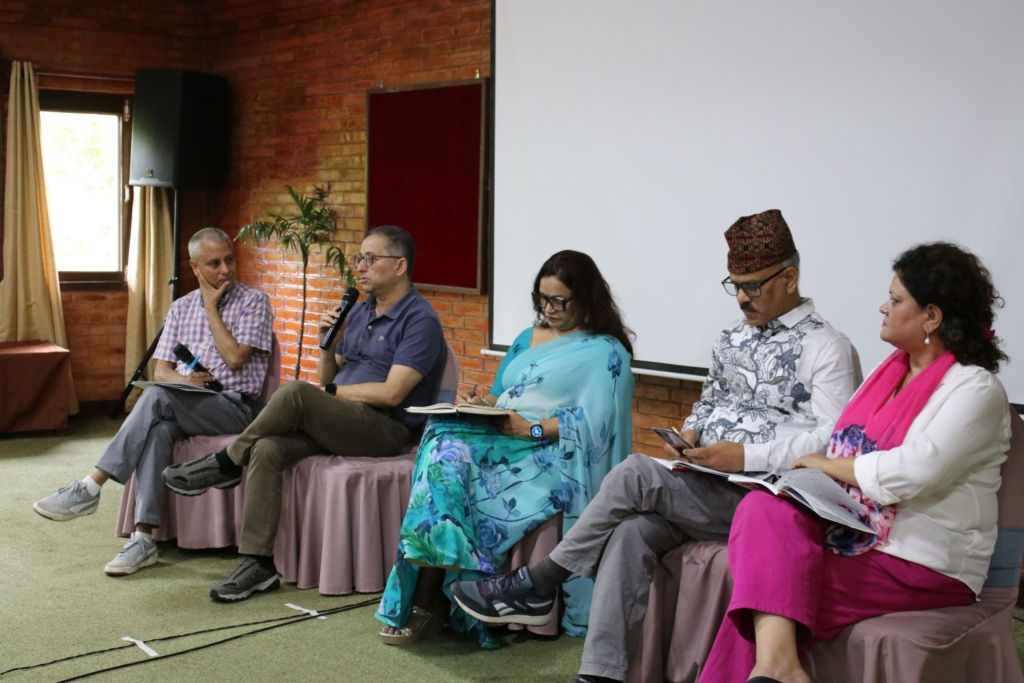
The second panel discussion on “The State of Freedom of Expression and Civic Space in Nepal: Challenges, Opportunities, and Risks” featured Pratik Pradhan, Editor of Baahrakhari; Babita Basnet, former editor of Ghatana ra Bichar; Nirmala Sharma, President of the Federation of Nepali Journalists; and Taranath Dahal, former FNJ president and the executive Director of Freedom Forum. The session was moderated by senior journalist and former FNJ president Shiva Gaunle.
Panelists discussed how restrictive laws, political interference, and self-censorship were undermining press freedom and civic space. They observed that even though Nepal’s situation might appear relatively liberal compared to other countries in the region, recent developments were worrying.

Pratik Pradhan pointed to global trends — such as those seen in the United States with the rise of “Trumpism” — that were emboldening powerful actors to silence both institutional media and individual voices, thereby threatening democracy itself.
Nirmala Sharma emphasized the need to distinguish between information and news, and highlighted that civic education remains insufficient in Nepal.
Taranath Dahal reiterated Sigdel’s warning that the state is “weaponizing laws”, saying that even institutions traditionally seen as protectors of freedoms, such as the Supreme Court, were now getting into the habit of being unnecessarily proactive or overacting on “contempt of court” charges. He also observed that a very high percentage of ETA-related cases in Kathmandu District last year were related to defamation, which he saw as evidence of how freedom of expression was being criminalized under the pretext of protecting reputations.
Babita Basnet raised concerns about the fine line between freedom of expression and hate speech, and pointed out the rise of digital gender-based violence, which has led to growing self-censorship even among journalists.
Other issues raised during the program included the decline in traditional media’s credibility due to its own failures of accountability, and the need to rebuild trust in journalism through responsible, fact-based reporting. Several participants argued that press freedom is ultimately an extension of individual freedom and cannot be separated from it.
Kamala Panthi later made a brief presentation on the importance of applying a gender equality and social inclusion (GESI) perspective to these discussions, stressing that marginalized voices, particularly those of women, must not be left behind in conversations about transitional justice or civic space.
The program concluded with remarks by Bipin Budhathoki, Chairperson of Amnesty International Nepal, who urged the media and civil society to work together to pursue truth, justice, and accountability, both for conflict-era violations and for current threats to freedom of expression. He called on civil society partners and the media to maintain solidarity and adopt a proactive, rights-centered approach in their reporting on these issues.