
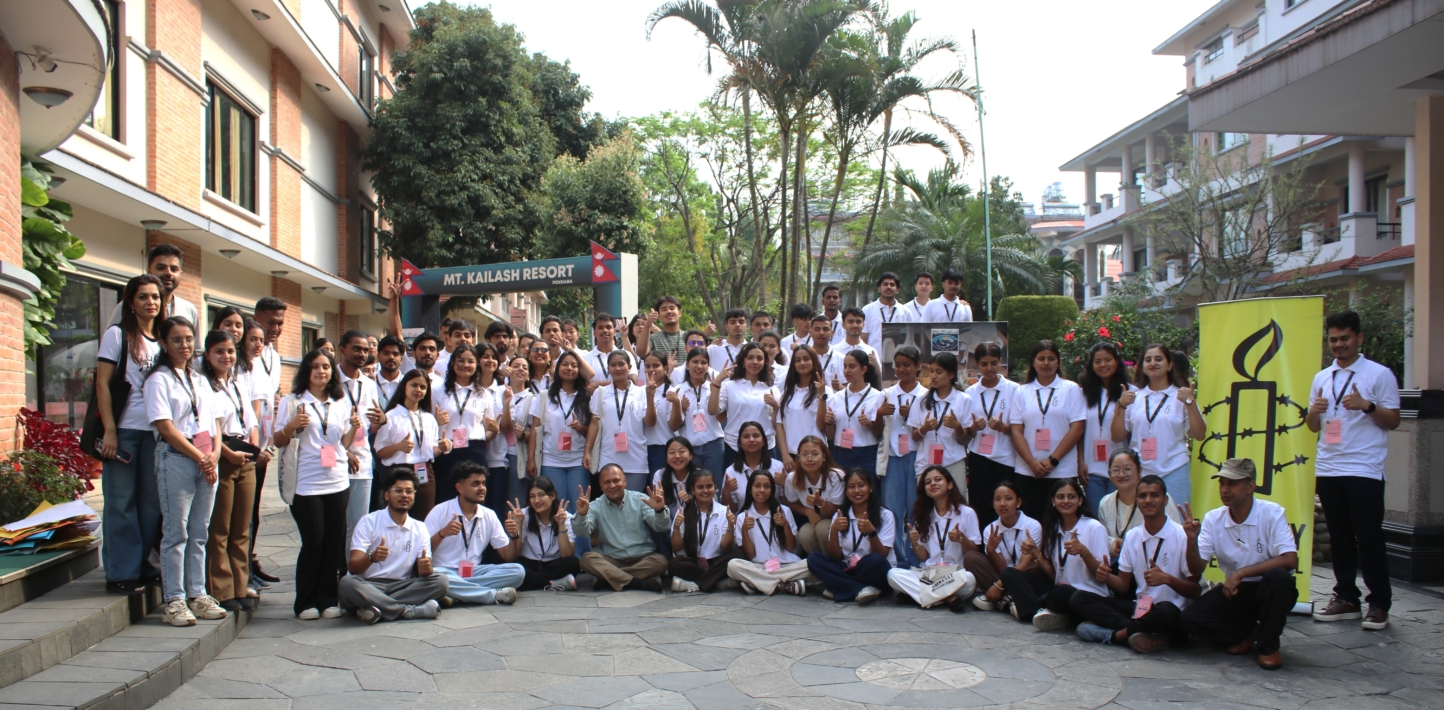
Amnesty International Nepal (AI Nepal) successfully concluded the 18th edition the national Youth Mela in Pokhara, Kaski, bringing together over 80 youth members from across the country for three days of learning, dialogue, and action from April 24-26.
Guided by the theme “Climate Justice and Civic Freedom: The Youth Agenda for a Just Future,” the Youth Mela created a dynamic platform for young people to critically engage with some of the most pressing human rights challenges of our time.
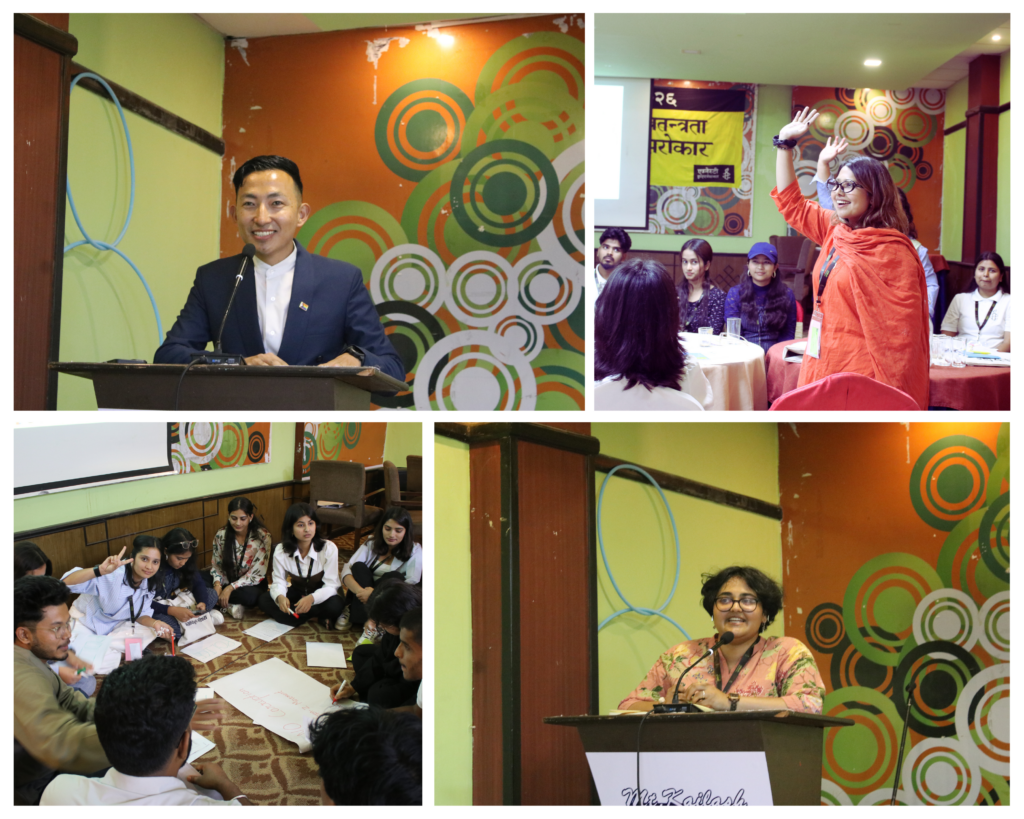
The Youth Mela opened on April 24 with an inaugural session that combined reflection and forward-looking dialogue. The keynote session brought together Lex Limbu, a prominent digital voice on LGBTIQ+ and climate issues, and Monisha Chaudhary, a climate change and Gen-Z activist, who emphasized the urgency of youth leadership in addressing the climate crisis alongside shrinking civic spaces. Their keynotes highlighted how environmental degradation, discrimination, and restrictions on freedoms are interconnected, calling for a unified, youth-led response both online and offline.
Deepening Understanding of Human Rights
The second day focused on building foundational knowledge and critical perspectives. Sessions explored the evolution and concept of human rights, its core principles, the role of institutions and private actors including civil society in its promotion and protection.
Participants were then introduced to the history, achievements, and limitations of Amnesty International, with a specific focus on AI Nepal’s research and campaigns. Through group discussions and presentations, youths critically examined both the impact and boundaries of AI’s work, creating a nuanced understanding of human rights campaigns and advocacy.
Interactive sessions on ongoing campaigns, including the global “Write for Rights” and human rights education enabled participants to connect local realities with those of the global movements.
Confronting Contemporary Challenges
A significant portion of the Mela was dedicated to unpacking contemporary human rights issues. Discussions on authoritarian practices encouraged participants to question power structures and recognize patterns of repression.
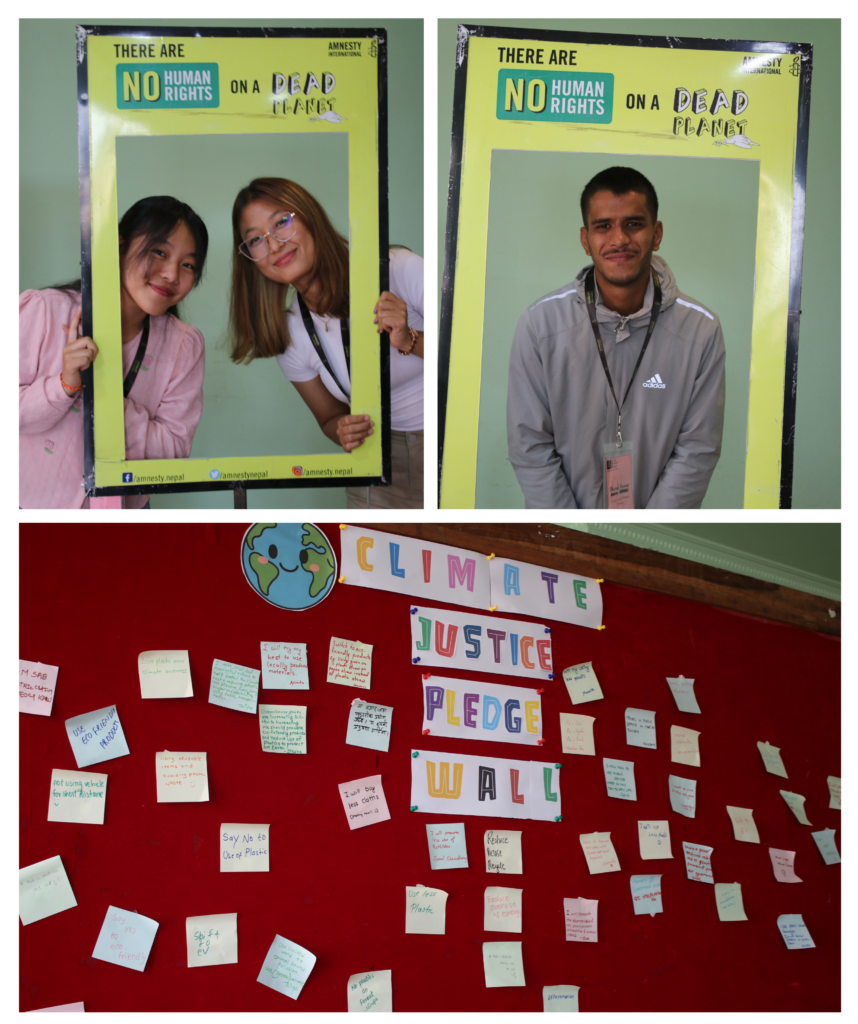
The session on the human rights impacts of climate change reinforced the concept of a “just transition,” stressing that climate action must be equitable and inclusive, particularly for marginalized communities.
In practical workshops, participants engaged with real-world scenarios, addressing issues such as torture, excessive use of force in policing, and caste-based discrimination. These sessions emphasized actionable advocacy, equipping the youths with tools to respond to human rights violations.
Centering Lived Experiences and Marginalized Voices
Day three highlighted the importance of lived experiences in shaping human rights discourse. Surendra Khatri from the National Network of Disabled Conflict Victims shared his deeply powerful and moving personal experiences of the long-term human costs of Nepal’s internal armed conflict (1996–2006), reminding participants of the enduring physical, mental, and economic impact of violence on civilians and the need for truth, justice and reparations.
An informative session on digital rights, led by an expert from Digital Rights Nepal, explored both the opportunities and risks of online spaces, with emphasis on addressing sexual and gender-based violence in digital environments, an increasingly urgent concern in today’s connected world.
A session on Sexual Orientation, Gender Identity and Expression, and Sex Characteristics (SOGIESC), facilitated by an expert from Queer Youth Group Nepal, challenged misconceptions about LGBTIQ+ communities and underscored the importance of inclusion and equality in human rights work.
Youth Voices in Action
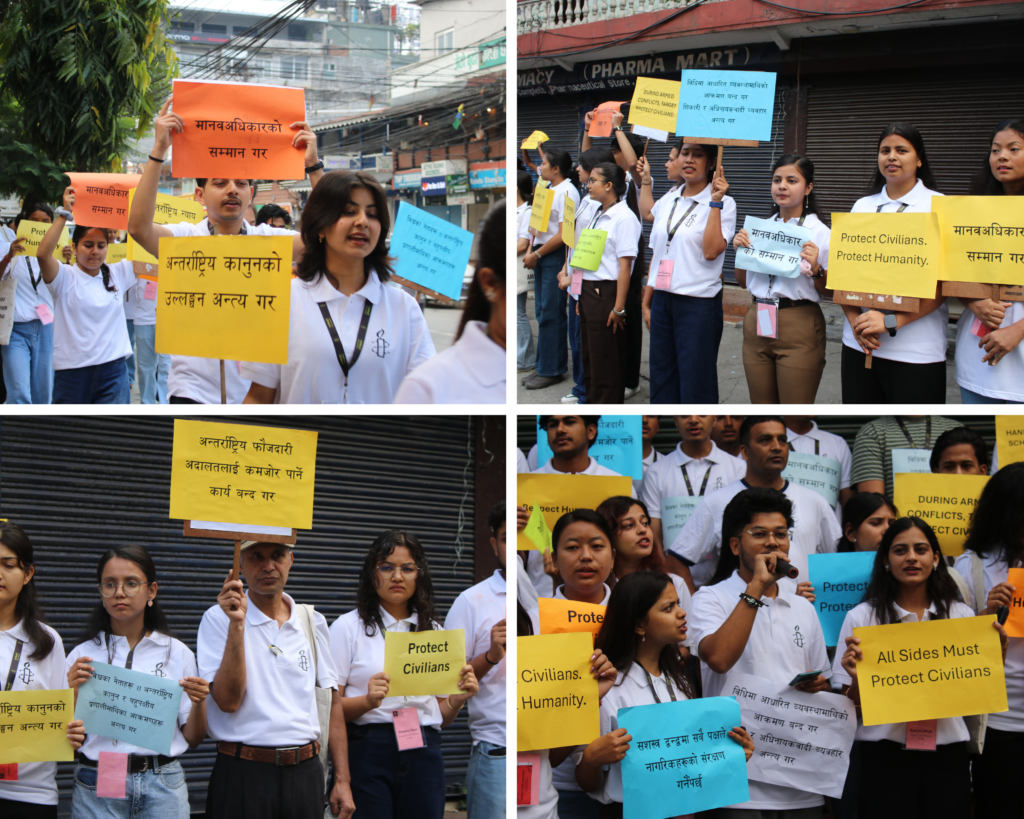
Participants also took part in a public rally advocating peace and the protection of civilians in conflict zones across the world. Demonstrating solidarity beyond borders, youth members raised their voices on global crises, including those in Gaza, Iran, Sudan, and other regions affected by violence.
Their message was clear and unified: the protection of civilian lives must never be compromised, and accountability for human rights violations should remain non-negotiable.
In addition, through debate sessions, participants also engaged in critical thinking around complex and often controversial issues, such as fossil fuel extraction versus sustainable development, and accountability for excessive use of force during protests. These debates encouraged participants to consider multiple perspectives while grounding their arguments in human rights principles.
Building Leadership for the Future
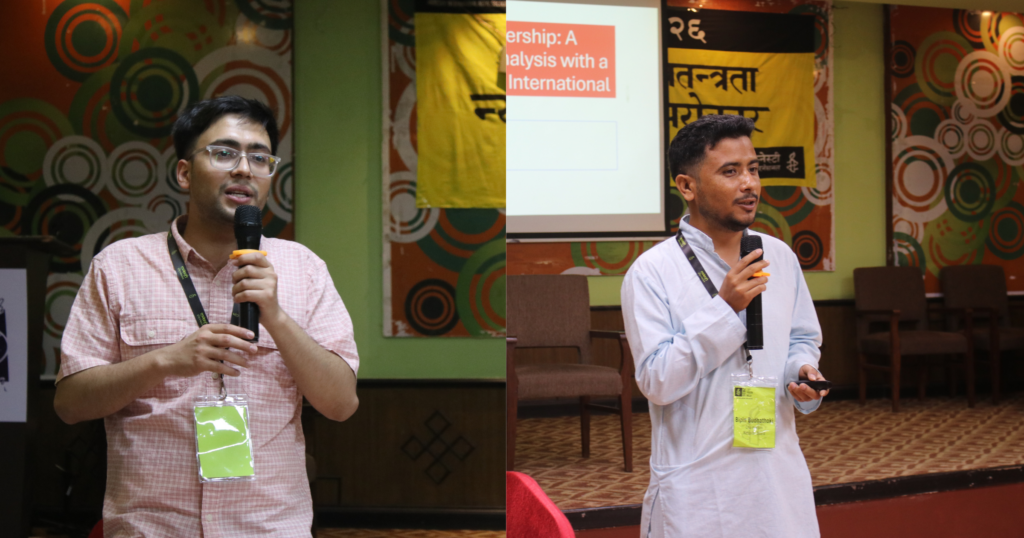
The Mela also focused on leadership and governance within the Amnesty movement through sessions facilitated by Sushant Parajuli, AI Nepal’s youth delegate to the Global Governance meetings, and AI Nepal Chair Bipin Budhathoki. The two sessions encouraged participants to see themselves as active contributors to organizational and societal change through action and leadership.
The event concluded with a certification program and final remarks by AI Nepal Chair Budhathoki who underscored the importance of sustaining momentum beyond the Mela. He stressed how from climate justice to civic freedom, digital rights to social inclusion, human rights are deeply interconnected, and that meaningful change requires collective action.